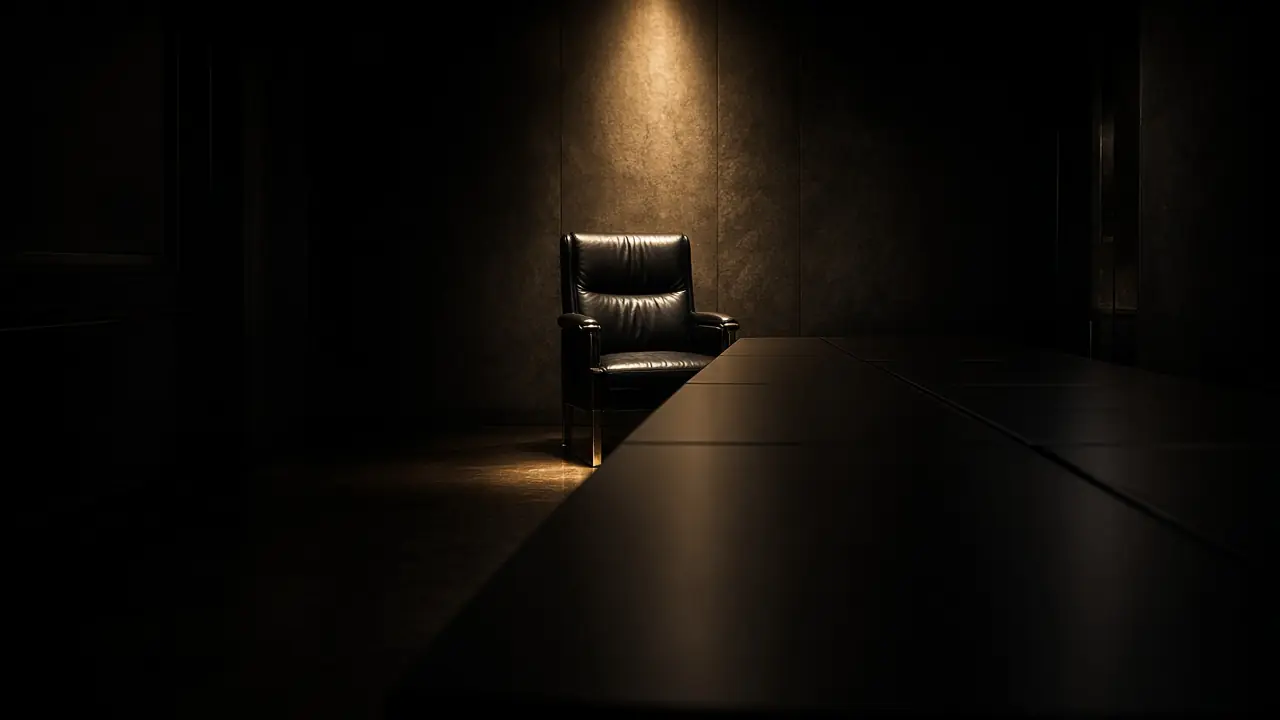
Isolation at the top is a design feature of the CEO seat. Treat it as architecture, not as a personal failure.
I spent twenty-five years in that seat across more than twenty countries. The loneliness was not a mood. It was the job. The board can advise. The team can execute. The chair can ask a sharp question. None of them carry the same signature you carry when the quarter closes, when a country manager fails, or when you stop a product the room still loves. If you wait for that load to be shared, you will wait through the whole tour.
A sitting executive needs a place to think that is not the next staff meeting. That is one reason Chief Executives books one-to-one coaches rather than selling a team offsite as intimacy.
What isolation is, and is not
It is not the absence of people. Most CEOs I have sat with are surrounded. It is the absence of a conversation in which you can say the unsayable without creating a political fact.
A deputy who hears your doubt may hear a change of course. A chair who hears it too early may hear a loss of nerve. An executive team that hears it in the wrong week may hear permission to stop. The seat is designed so that one person can be held to account. That is useful. It is also why the last decision still belongs to one chair.
A coach who is contracted, confidential, and not on the executive team can hear the same material as material. That is the difference I care about. Not comfort. Material.
The published facts behind that judgment are on the about page. The offer itself is one-to-one, not a group cohort with a public accountability board.
Three rooms where the load will not share
The stop decision. You are about to kill a product, a country, or a hire that still has friends in the building. If you take that doubt to the ELT first, you have already started the politics. The hour is for deciding whether the stop is real, and what sentence you will use when it is.
The chair conversation. You need to tell the chair something that will change how they see the year. Rehearsing it with a deputy is often a leak. Rehearsing it with a coach is not a confession to the board. Keep the paper honest and short — a board paper is not a confession.
The week that no longer matches the speech. Isolation often shows up first as a diary that has been colonised. You are busy and you are alone inside the busyness. That is the calendar as strategy, and it is energy as a constraint on the P&L, before it is a wellness story.

Do not turn the ELT into a therapy group
A common mistake is to treat isolation as a culture problem the team should fix. The team cannot carry your signature. If you ask them to, you will get either flattery or a quiet revolt.
Use the executive team for decisions they can own. Use a confidential hour for the load they cannot share. If the team has gone polite, that is a different problem — alignment usually means someone has gone quiet. Silence in the ELT is data. It is not a reason to dump the CEO’s inner weather on twelve people who then have to work with you on Monday.
A takeaway you can keep
| Signal | What it usually is | What I would not do |
|---|---|---|
| You rehearse the board paper in the shower | The seat is working as designed | Call it burnout and keep the same week |
| You have no one to test a stop decision | A missing confidential room | Use the ELT as a therapy group |
| You feel “unsupported” after a good quarter | Accountability, not abandonment | Hire a consultant to share the signature |
| You have started telling a deputy “don’t repeat this” | A leak looking for a home | Keep talking and hope the corridor holds |
I later chose coaching because the outside view was the unlock I could not get from inside the P&L. I do not claim that every sitting executive needs the same unlock. I do claim that pretending the load will be shared is how the seat writes your week for you.
If the isolation is already writing the diary, look at who you might book. Fees and fit are agreed in writing. Enquire to book a coach if you want a first conversation that is not another staff meeting.